
by Colin Moor, CAIB | Aug 30, 2014 | Research Centre

This question seems to come up each year and around the same time…at renewal!
The goal of this article is to assist you in having a better understanding of what goes into determining premiums for personal lines policies, like automobile and property risks.
Because there are different factors between automobile and property, let’s break this topic into two sections.
AUTOMOBILE INSURANCE
Factors and trends used to form automobile rates are:
- Territory or Where the vehicle is most often used;
- Age of drivers in the household;
- Number of vehicles compared to number of drivers in the household;
- If the driver is under 25 years of age, the age and sex are determining factors;
- Claims (the number of ‘claims free’ years differs by each insurance company’s criteria);
- Convictions in the past three years;
- Use of the vehicle (commute to work, pleasure use only, business use);
- Make, model and age of the vehicle(s);
- Coverages you have chosen (Liability, Collision, Comprehensive and Endorsements).
Depending on your insurer’s offerings, there are numerous discounts that can be applied. It is always important to ask your broker to review all the discounts available to you.
PROPERTY INSURANCE
Factors and trends used to determine property rates are:
- Territory or where your home, condo or apartment is located;
- Distance to a fire hall and fire hydrant;
- Building materials of the dwelling (concrete, frame, brick etc.);
- Use of dwelling (strictly personal use or partial business use);
- Unique features within the dwelling (custom finishing versus builder’s grade);
- Floor, ceiling and wall finishing (plaster versus drywall);
- Claims (the number of ‘claims free’ years differs by each insurance company’s criteria);
- Style of dwelling (two story, split level or high rise versus triplex or townhouse);
- Coverages you have chosen (all risk coverage versus named perils coverage and endorsements).
Again, there are many discounts that can be applied. Ask your broker to review all available discounts to you.
There are other factors as well that are completely determined through each insurance company’s system that your broker can look into for your unique risk.
Don’t be afraid to call your independent broker for clarification. As brokers, that’s our commitment to you… to service you and provide sound and educated advice.
by Colin Moor, CAIB | Jul 25, 2014 | Research Centre

MOST INSURANCE COMPANIES CLASSIFY VEHICLE USE INTO ONE OF THREE CATEGORIES – COMMUTING TO WORK OR TRANSIT, COMMERCIAL USE OR PLEASURE AND ERRANDS ONLY.
While these categories accurately describe the driving behaviour for most people, some drivers who use their vehicle for business purposes have faced a dilemma.
Do they report they only use their vehicles to commute to work, or do they acknowledge they use their vehicles for commercial purposes and face higher premiums?
The answer is “yes”, you must disclose the proper usage of your vehicle in order to be properly insured but make sure you are clear as to the extent that you use your vehicle for business.
If you drive your vehicle to work, but also use it to visit clients for limited business, you may need Incidental Business Use Rating and for a small increase in premium, you won’t have to worry about having any problems at the time of claim.
Imagine the hardship of finding out you are unable to claim after an accident, especially after faithfully paying your insurance premiums because you failed to disclose the actual use of the vehicle.
Don’t be caught in a situation like this!
If in doubt, talk to us about your vehicle usage and see if you need Incidental Business Use!
COMMERCIAL VEHICLE INSURANCE ISN’T JUST FOR BIG TRUCKS!
If you work as a plumber, painter, carpenter or as some other type of contractor, you may need to be rated for Commercial Use instead of commute to work.
Whether you are self-employed or work for a larger company doing this type of work, your insurance company could deny any claim if you failed to disclose the Commercial Use of your vehicle.
Other uses that may require a commercial vehicle policy include real estate sales, fast food delivery, catering and landscaping or snowplowing services to name a few.
It is important that we know how you use your vehicle so we can recommend the best coverage to suit your needs. If in doubt call us – we are “On Your Side”.
by Colin Moor, CAIB | May 27, 2014 | Research Centre

TIPS TO CONSIDER TO MAKE EACH EVENT SAGE AND ENJOYABLE FOR ALL
It’s that time of year again when everyone is planning for the warm weather, getting the barbeque out of storage and cleaning up the yard – all in preparation for fun-filled summer entertaining with family and friends.
When you host a party at your home, most of the planning focuses on ensuring there is enough food and beverages for everyone and the guests have a good time.
It is fair to say, however; that one of the key elements to any party is the ever-present consumption of alcohol. Both you, as the host, and the guests contribute to the alcoholic refreshments, so there is generally always plenty to go around.
When planning on hosting a summer party, we don’t often consider where our legal obligation begins and ends when it comes to monitoring our guests’ alcoholic consumption levels.
POINTS OF INTEREST:
Have you considered if one of your intoxicated guests leaves in a car and causes an accident?
Are you responsible for taking the keys, calling a cab or offering a bed for the night? Who should be held liable and pay for catastrophic injuries and deaths resulting from your guest’s impaired driving?
A socialhostmay be implicated in the creation of the risk to users of the road.This becomes more significant if the social host knows that an intoxicated guest is going to drive a car, and does not make reasonable efforts to prevent the guest from driving.
If you entertain frequently, consider talking with your broker about increasing your liability limits or adding a personal umbrella liability policy to your portfolio.
There are steps you can take to help minimize the risk to you and your guests. Here are just a few of the things you can do that will be taken into consideration should something unplanned happen:
- Monitor the amount of alcohol distributed throughout the event
- Take away the keys from someone that has had too much to drink
- Arrange a cab ride for your guests
- Offer your guests a bed for the evening
If you’re planning a party this summer, remember the duty of a social host is to take reasonable steps to ensure your intoxicated guests do not drive upon departure from your home.
Their safety and the safety of others is also your responsibility.
by Colin Moor, CAIB | May 27, 2014 | Research Centre

HAS YOUR E-COMMERCE HOBBY TURNED INTO A BUSINESS? DO YOU RUN A BUSINESS OUT OF YOUR HOUSE? ARE YOU SURE YOU HAVE THE RIGHT INSURANCE COVERAGE?
IF YOUR HOBBY HAS TURNED INTO A BUSINESS, YOUR HOME INSURANCE MAY NOT COVER YOU.
Whether you run a daycare, a computer repair business, an office from your home, or sell fresh produce at a roadside stand, you should talk to us.
Your home or farm policy may not automatically cover you.
A special policy, a rider to your current policy, or additional liability coverage may be required to protect your home-based business.
While a home-based business can provide freedom, wealth and personal satisfaction, it could also expose you to situations where your policy may not respond. Enjoy your hobby or home-based business, but remember to stay in touch with us to make sure your insurance coverage is always up-to-date.
by Colin Moor, CAIB | Jan 2, 2014 | Research Centre
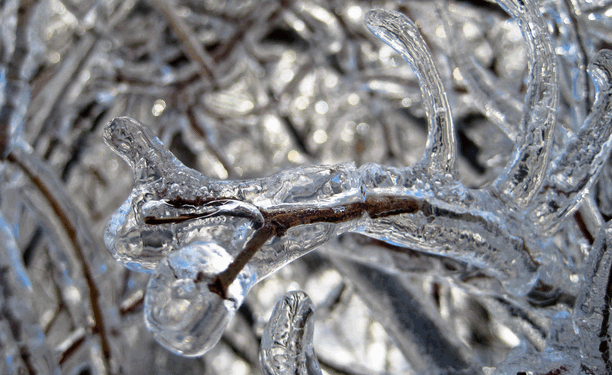 January 2, 2014. Parts of Ontario continue to be without electricity. Therefore, some people may have left their home as power is being restored. Here are some home insurance coverage reminders as well as some timely safety tips.
Homeowners insurance policies do not cover losses caused by freezing during the usual heating season in a heated portion of the home if someone has been away from their home for more than four consecutive days, UNLESS the homeowner has:
- arranged for a competent person to check the home daily;
- shut off the water supply and drained all the pipes and domestic water containers; or
- their plumbing and heating system is connected to a monitored alarm station.
If you do leave your property remember to:
- Turn off the main water valve and drain water from the pipes and flush toilets several times. Keep the basement drain clear.
- To prevent a power surge when the electricity does come back on, unplug all tools, appliances and electronic equipment and turn the thermostats down to minimum.
- Turn off all lights including Christmas lights, except one inside and one outside, until power is restored.
- Leave natural gas service on unless authorities tell you to turn it off.
- Lock your home.
Here are some other ways to keep safe, even if you do stay in your home:
- To prevent frozen pipes turn the taps on slightly so water can trickle through as pipes with running water will not freeze. Alternatively, turn off the main water supply and open the pipes completely.
- Take extra caution when using a wood-burning fireplace.
- Use a flashlight and not candles to reduce the risk of fire.
- Do not use appliances intended for outdoor use indoors, such as camping or heating equipment and gas barbecues.
- Keep your fridge and freezer door closed as much as possible. A full freezer will keep food frozen for 24 to 36 hours if not opened.
- If you see downed power lines, stay far away and report them to your local power authority.
Once power is restored:
- Do not enter a flooded basement unless it is absolutely safe to do so.
- Flooded appliances, electrical outlets, switch boxes or fuse-breaker panels should not be used until they have been checked by an electrician.
- Replace the furnace flue if removed, and turn off the fuel to the standby heating unit.
- Turn the thermostats up, wait a few minutes, then plug in the fridge and freezer back in. Wait 10-15 minutes before plugging other appliances back in.
- Turn on water supply.
- Check the food in your fridge and freezer for signs of spoilage. If in doubt, throw it out. Check the Food Safety website for details about specific foods